Why Climbing Plants Enhance Urban Living in 2026
As urban areas continue to grow and evolve in 2026, the integration of nature into city environments has become increasingly vital. Climbing plants offer a unique solution for urban living, providing a wealth of benefits that contribute to both the aesthetic appeal and environmental health of metropolitan areas. These versatile plants can transform dull walls, create green spaces, and improve air quality, making them essential for modern urban landscaping.
In 2026, cities are facing challenges such as limited green space, rising pollution levels, and a need for sustainable living solutions. Climbing plants are not only attractive but also practical, as they can thrive in smaller areas where traditional gardening might not be feasible. This article explores the various advantages of incorporating climbing plants into urban settings and how they can enhance the quality of life for city dwellers.
Aesthetic Appeal of Climbing Plants
One of the most immediate benefits of climbing plants is their ability to beautify urban environments. In 2026, many cities feature stark concrete structures that can feel sterile and uninviting. Climbing plants can soften these hard lines, adding color and texture to building facades. For instance, a once bland wall can be transformed into a vibrant living tapestry with the addition of climbing vines like jasmine or wisteria, which not only provide visual interest but also emit delightful fragrances.
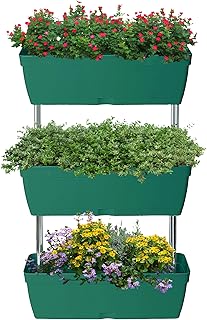
Moreover, climbing plants can create vertical gardens, which are becoming increasingly popular in urban design. These gardens utilize vertical space effectively, allowing residents to enjoy greenery even in compact settings. In cities where horizontal space is limited, vertical gardens made up of climbing plants can be a game changer. This innovative approach to gardening not only enhances the visual appeal of buildings but also promotes biodiversity in urban areas.
Environmental Benefits of Climbing Plants
In 2026, environmental sustainability is at the forefront of urban planning, and climbing plants play a crucial role in this movement. These plants contribute significantly to improving air quality by filtering pollutants and producing oxygen. For example, species like ivy and climbing hydrangea are known for their air-purifying properties, making them ideal for urban settings where air quality can be compromised.
People Also Look For:
- Augshy 2 Pcs Plant Hangers Hanging Plant Holder for Indoor Outdoor Decor Macrame Hanging Planter Basket with 4 Hooks(35 Inch)
- 6Pcs Climbing Plants Support Trellis Small Garden Support Stand for Climbing Plants, Superimposed Indoor Climbings Trellis Housepl...
- Premium Wooden Garden Fence Panel with Arched Trellis Top – Decorative Privacy Screen for Outdoor Landscaping & Fencing (18...
- 100pcs Yellow Climbing Rose Flowers Seeds
- MANCHAP 2 Roll 3.5mm x 20m Green Garden Wire Ties, 131 Feet Soft Twist Plant Tie Wire for Climbing Plants, Vines
Additionally, climbing plants help to mitigate the urban heat island effect, which is a phenomenon where urban areas experience higher temperatures than their rural surroundings. By covering surfaces with greenery, these plants provide shade and reduce surface temperatures. This cooling effect can lead to lower energy costs for buildings, as less air conditioning is needed during hot summer months.
Enhancing Urban Biodiversity
The integration of climbing plants into urban landscapes also promotes biodiversity, which is essential for maintaining healthy ecosystems. In 2026, many cities are focusing on creating habitats for various species, including pollinators like bees and butterflies. Climbing plants can provide food and shelter for these important creatures, helping to sustain their populations in urban environments.
By planting native climbing species, urban dwellers can attract local wildlife, further enriching the urban ecosystem. For instance, honeysuckle and clematis not only add beauty but also serve as vital sources of nectar for pollinators. This creates a flourishing environment that supports ecological balance and contributes to the overall health of the city.
Practical Considerations for Urban Climbing Plants
When considering climbing plants for urban living in 2026, it is essential to choose the right species for specific climates and locations. Some climbing plants thrive in full sun, while others prefer shade. Understanding these requirements can help ensure successful growth and maintenance. For instance, if a wall receives a lot of sunlight, plants like morning glory or trumpet vine may be ideal, whereas shady areas might be better suited for climbing ferns or climbing hydrangeas.
In addition, proper support structures must be established for climbing plants to flourish. Urban gardeners should invest in trellises, arbors, or other supports that allow plants to grow vertically. These structures not only aid the plants but can also enhance the overall design of outdoor spaces. Using durable materials for supports is crucial, ensuring they can withstand the elements while providing stability for the climbing plants.
Caring for Urban Climbing Plants
Caring for climbing plants requires regular attention, especially in urban environments where pollution and limited soil can pose challenges. In 2026, many urban gardeners are adopting sustainable practices to ensure the health of their climbing plants. This includes using organic fertilizers, mulching to retain moisture, and implementing rainwater collection systems for irrigation.
Moreover, regular pruning is essential to maintain the health and shape of climbing plants. This practice encourages new growth and prevents overcrowding, allowing each plant to receive adequate sunlight and nutrients. In urban settings, where space is limited, keeping climbing plants well-maintained ensures that they do not become invasive or overtake other plants and structures.
- Choose the right climbing species for your environment
- Invest in sturdy support structures
- Implement sustainable care practices
- Regularly prune to maintain health
The benefits of climbing plants are clear, making them an ideal choice for urban living in 2026. As cities continue to grow and adapt, these plants will play a significant role in enhancing the quality of life for their inhabitants, fostering a connection to nature amidst the urban landscape. By incorporating climbing plants, urban dwellers can enjoy the beauty and benefits of greenery without sacrificing space, creating a more inviting and sustainable urban environment.