common mistakes when training climbing and vining plants
Climbing and vining plants are a beautiful addition to any garden or outdoor space, providing lush greenery and vibrant blooms. However, many gardeners make common mistakes when training these plants, which can hinder their growth and overall health. In this article, we will explore some of the most frequent pitfalls and offer practical advice on how to avoid them.
Neglecting Support Structures
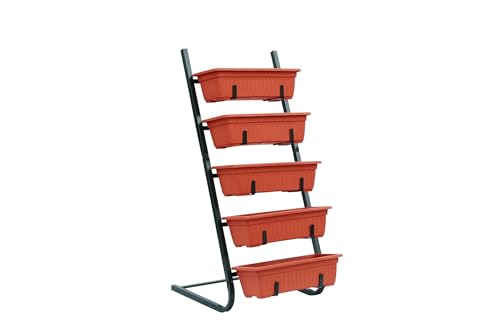
One of the most critical aspects of training climbing and vining plants is providing adequate support. Many gardeners underestimate the importance of sturdy structures, leading to plants that flop or struggle to climb. Ensure that you install trellises, arbors, or fences well before planting. Choose materials that are durable and appropriate for the weight of the plants you intend to grow. For instance, lighter plants like sweet peas may thrive on thin trellises, while heavier ones like wisteria require robust wooden or metal supports.
Improper Pruning Techniques
Pruning is essential for the health and shape of climbing plants, but improper techniques can lead to stunted growth or even plant death. Many gardeners make the mistake of pruning at the wrong time of year. For example, summer-flowering climbers should be pruned immediately after they finish blooming, while spring-flowering varieties require pruning in late winter or early spring. Always use sharp, clean tools to make clean cuts and avoid damaging the plant.
People Also Look For:
- Carbeth Plants 6 x Bare Root Roses Nurseryman’s Collection - Versatile Mixed Rose Bush Climbing, Floribunda & Hybrid Tea Va...
- Huryfox Artificial Hanging Plants Fern Vine - Fake Ivy Leaves Decoration for Indoors & Outdoors, Faux Foliage Greenery Decor for L...
- Chain Trellis for Climbing Plants, Trellis Wall Trellis for Climbing Plants, Plant Wall Planters for Indoor Plants for Pothos Plan...
- BlissfulAbode 3pc Hanging Planters for Outdoor Hanging Baskets for Plants with Rustproof Chain
- Firecracker Vine - 40 Seeds + freebie + Plant tag (Mina Lobata)
Overlooking Soil Quality
Soil quality plays a crucial role in the success of climbing and vining plants. A common mistake is planting in poor or compacted soil that does not drain well. These plants often require rich, well-draining soil to thrive. Conduct a soil test to check for nutrient levels and drainage capabilities. If your soil is lacking, consider amending it with compost or well-rotted manure to improve its quality before planting.
Ignoring Sunlight Requirements
Another frequent error is failing to consider the sunlight needs of climbing and vining plants. Some prefer full sun, while others thrive in partial shade. Research the specific requirements of the plants you are growing to ensure they are positioned in the right location. For instance, sun-loving varieties like clematis need at least six hours of direct sunlight a day, whereas some ferns prefer more shaded environments.
Inconsistent Watering Practices
Climbing and vining plants are sensitive to their watering schedule. A common mistake is the inconsistency in watering, which can lead to stress and hinder growth. It is essential to establish a regular watering routine, especially during the initial establishment period. Monitor the moisture level of the soil; if it feels dry an inch below the surface, it is time to water. Avoid overwatering, as this can lead to root rot, especially in poorly draining soil.
Planting at the Wrong Depth
Planting depth is another crucial factor often overlooked. Many gardeners make the mistake of planting too deeply, which can suffocate roots and hinder growth. Climbing plants should be planted at the same depth they were in their pots. When transplanting from nursery pots, ensure the soil level matches the original planting level. A good rule of thumb is to plant at a depth where the soil line on the stem is at the soil surface.
Failure to Train Regularly
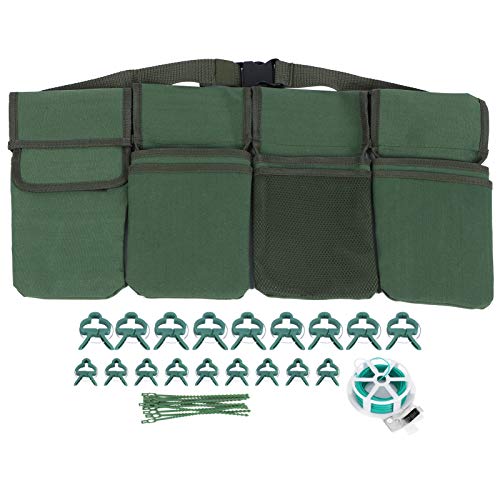
Finally, a common oversight is not regularly training your climbing plants as they grow. Neglecting to guide their growth can lead to tangled vines and a chaotic appearance. Regularly check your plants and gently secure them to their supports using soft ties or twine. This practice encourages a more structured growth pattern and helps prevent damage to the stems.