how to select climbing plants for small garden spaces
Having a small garden does not mean you have to compromise on greenery. In fact, climbing plants can enhance your outdoor space, adding vertical interest and lush foliage without taking up valuable ground area. However, selecting the right climbing plants requires careful consideration of various factors such as space, light, and maintenance. In this guide, we will explore practical tips to help you choose the best climbing plants for your small garden.
Assess Your Space
Before you start selecting climbing plants, it is essential to assess the space you have. Measure the area where you would like to plant your climbing plants. Consider the height and width of any walls, fences, or trellises that the plants will climb. Keep in mind that some climbing plants can grow vigorously and may require more space than you initially think. Make sure to choose plants that will fit well within your available area.
Consider Light Conditions
Climbing plants thrive in various light conditions, so it is important to know how much sunlight your garden receives. Most climbing plants prefer full sun, which means at least six hours of direct sunlight per day. However, there are many varieties that also do well in partial shade. For example, if your small garden is mostly shaded, consider climbing plants like honeysuckle or clematis that can tolerate low light levels while still providing beautiful blooms.
People Also Look For:
- Der Rose 2 Pack Fake Plants Hanging Faux Potted Ivy Vine Artificial Plants Indoor for Home Bathroom Wall Shelf Outdoor Decor
- COSTWAY Wooden Garden Arch, Large Rose Trellis Pergola Arbour, Climbing Plant Wood Archway for Party Ceremony Wedding Backyard Law...
- ZENO Garden Arch 2.4M | Heavy Duty Metal Garden Arch | Green Garden Frame Arch for Climbing Plants | Garden Arches for Outdoor, Ba...
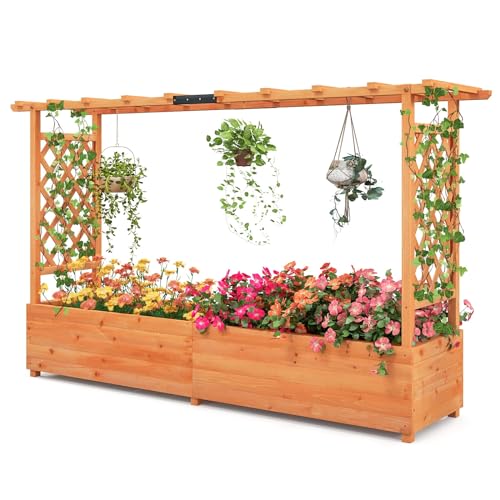
- Outsunny Garden Planter with Trellis, Wooden Raised Bed for Garden with Lattice Trellis, Outdoor Planter Box for Vegetables, Herbs...
- 2 Pack Artificial Autumn Leaves Garland for Home Decoration,Maple Leaf Fall Garlands Hanging Plant with Hooks for Indoor & Outdoor...
Choose the Right Type of Climbing Plants
There are several types of climbing plants to choose from, including true climbers, scramblers, and ramblers. True climbers, such as ivy and wisteria, use tendrils or suckers to attach themselves to structures. Scramblers, like honeysuckle, rely on other plants for support and can be more flexible in placement. Ramblers, such as certain roses, have long, flexible stems that can be trained along fences or walls. Understanding the growth habits of these plants will help you select the right type for your garden.
Think About Maintenance
Maintenance is another crucial factor when selecting climbing plants for small spaces. Some climbing plants may require regular pruning to keep them in check, while others may be low maintenance. If you are looking for trouble-free options, consider perennial climbers like jasmine or clematis. These plants can provide stunning flowers with minimal upkeep. Conversely, if you enjoy gardening and do not mind regular pruning, you might opt for fast-growing varieties that can quickly cover an area.
Consider Seasonal Interest
Selecting climbing plants that provide year-round appeal can enhance your small garden's attractiveness. Look for plants that bloom at different times of the year or have interesting foliage. For example, climbing roses can add colour in the summer, while evergreen climbers like ivy or winter jasmine can provide greenery during the colder months. Mixing various plants will ensure that your garden remains vibrant and visually appealing throughout the seasons.
Plan for Support Structures
Climbing plants require support to thrive, so planning the right structures is vital. Trellises, arbors, and fences can all serve as excellent support for climbing plants. Ensure that your chosen support is sturdy enough to hold the weight of your climbing plants as they grow. You can also create a bespoke support system using bamboo poles or wire lattice, which can be particularly useful in small gardens where space is limited.
Explore Container Options
If your small garden has limited planting space, consider growing climbing plants in containers. Many climbing plants thrive in pots and can be trained to climb a trellis or support within the container. This approach allows you to move your plants around if needed and can add flexibility to your planting design. Make sure to choose containers that are large enough to accommodate root growth and use high-quality compost to provide the necessary nutrients.