vining plants versus climbing plants finding the right fit
When it comes to enhancing your garden or outdoor space, the choice between vining and climbing plants can be pivotal. Both types of plants offer unique aesthetic and practical benefits, yet they exhibit distinct growth habits and requirements. Understanding these differences is essential in selecting the right fit for your gardening goals in 2026.
Understanding Vining Plants
Vining plants are characterized by their growth habits, often trailing along the ground or sprawled over surfaces. They lack the structural support to climb without external assistance. Popular examples include sweet peas, morning glories, and various types of beans. These plants often produce beautiful flowers or edible fruits, making them not only visually appealing but also useful.
One of the most significant advantages of vining plants is their versatility. They can be grown in containers, hanging baskets, or as ground cover, providing a multitude of options for gardeners. When choosing vining plants, consider their light and water requirements. Many vining plants thrive in full sun, needing well-draining soil and regular watering to flourish.
Diving into Climbing Plants
Climbing plants, on the other hand, are designed to ascend vertical supports. These plants possess specialized structures, such as tendrils, hooks, or twining stems, which enable them to latch onto supports like fences, trellises, or arbors. Well-known climbing plants include clematis, climbing roses, and wisteria.
People Also Look For:
- JonesHouseDeco 3 Sets Metal Round Wall Planter Hanging Wall Vase Flower Pot for Indoor Decor Home Supplies for Planting Cactus, Su...
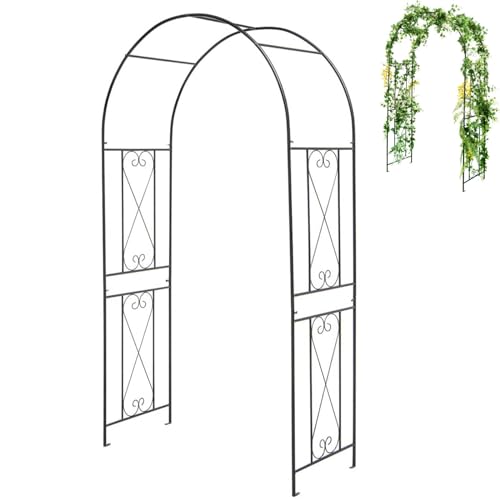
- TANGZON 2.2M/2.3M/2.5M Garden Arch, Heavy Duty Metal Roses Vines Climbing Plants Support Archway, Outdoor Patio Yard Lawn Arches A...
- 4PCS Metal Plant Indoor Trellis, Plant Trellis for Climbing Plants, and Plant Stand for Potted Plants. A Good Option and Thoughtfu...
- Climbing Rose Flower Seeds, UK Climbing Rose Flower Seeds for Home Garden Patio Plant - 10x Climbing Rose Flower Seeds (Red)
- 2Pcs Hanging Basket Bracket,Outdoor Plant Hooks Black Fence Hooks for Hanging Baskets,Wall Plant Hanger Brackets for Garden Lawn L...
Climbing plants can transform vertical spaces, creating stunning displays and adding depth to your garden. They often require less horizontal space than their vining counterparts, making them ideal for smaller gardens or urban settings. When selecting climbing plants, consider their growth rate and the type of support they will need. Fast-growing species can quickly cover a trellis, while slower-growing varieties may take time to establish.
Key Differences Between Vining and Climbing Plants
While both vining and climbing plants can enhance your garden, they serve different purposes. Vining plants tend to spread out more and can be used as ground cover or in containers, whereas climbing plants focus on vertical growth. Additionally, vining plants may offer easier maintenance, as they do not require as much structural support.
Another essential difference is the growth pattern. Vining plants often need to be trained or guided to grow in a particular direction, while climbing plants naturally cling to supports. This means that if you are looking for a low-maintenance option, vining plants could be the better choice.
Choosing the Right Fit for Your Space
When selecting the right type of plant for your garden, consider the environment. Assess sunlight exposure, soil type, and available space. If you have a sunny area with a trellis or fence, climbing plants may thrive and provide a beautiful vertical display. For shaded or container spaces, vining plants may be more suitable.
It is also crucial to consider the local climate and the hardiness of the plant species. Some climbing plants like wisteria may need a warmer climate, while others such as honeysuckle can adapt to various conditions. Similarly, many vining plants have specific temperature and moisture preferences that should be taken into account.
Practical Tips for Planting
When planting vining or climbing plants, ensure that you provide adequate support for climbing varieties, as this will allow them to flourish. Installing a trellis or using garden netting can help these plants reach their full potential. For vining plants, regular pruning may be necessary to keep them from overtaking areas where they are not desired while promoting healthy growth.
In terms of fertilization, both types of plants benefit from a balanced fertiliser applied during the growing season. However, be mindful of over-fertilising, as this can lead to excessive foliage at the expense of flowers or fruits. Always check the specific requirements for the chosen plant to ensure optimal growth.