Essential Tips for Maintaining Climbing Plants Year Round
Climbing plants add beauty and character to any garden or outdoor space. As we enter 2026, maintaining these plants year round requires a blend of knowledge, dedication, and timely interventions. Whether you are a seasoned gardener or a novice, having a solid foundation of care techniques will ensure your climbing plants thrive through every season. This article will provide essential tips tailored for 2026 to help you cultivate healthy and vibrant climbing plants.
Understanding the Needs of Climbing Plants
Climbing plants, also known as vines, come in various types, each with unique care requirements. In 2026, the focus on sustainability and eco-friendly gardening practices has become more pronounced. Understanding the specific needs of your climbing plants is vital. Factors such as sunlight, soil type, water requirements, and support structures play crucial roles in their growth.
Most climbing plants thrive in well-drained soil enriched with organic matter. As you prepare your garden for the year, consider conducting a soil test. This will provide insights into pH levels and nutrient content, allowing you to amend the soil accordingly. For example, if your climbing plants prefer slightly acidic soil, adding compost or peat moss can help achieve the desired balance.
Sunlight Requirements
In 2026, the understanding of microclimates within gardens has improved. When planting climbing plants, assess the sunlight exposure in different areas of your garden. Some climbing plants, like morning glories, require full sunlight, while others, like climbing hydrangeas, prefer partial shade. Positioning your plants in the right light conditions can significantly affect their growth and flowering potential.
Watering Techniques for Optimal Growth
Watering is a critical aspect of maintaining climbing plants. In 2026, the emphasis on water conservation has led to innovative watering techniques. Deep watering is preferred over frequent shallow watering. This encourages roots to grow deeper into the soil, which enhances the plant’s resilience against drought.
People Also Look For:
- Garden Trellis for Climbing Plants, 165cm 2pcs MYMULIKE Garden Tower Obelisk Supports For Garden Rustproof Sweet Pea Frame Potted ...
- Flueyer 2 Pcs Plant Trellis for Climbing Plants outdoor, Black Coated Fan Pot Trellis Garden Metal Support Stake for Indoor Outdoo...
- 63'' Moss Pole - Monstera Plant Support - Bendable Plant Trellis Moss Pole for Plants Monstera - Moss Poles for Climbing Plants - ...
- KANTA 3 x Garden Expanding Wooden Trellis Expandable Trellises Aluminum Riveted Each Piece Expands to 180cm x 60cm Climbing Plants...
- 2m X 5 m Plant Support Netting,Climbing Plants Vegetables Runner Bean Sweet Peas, Garden Trelli Climbing Plant Natural Netting wit...
Using drip irrigation systems can be an effective method to provide consistent moisture while minimizing water waste. Additionally, mulching around the base of climbing plants helps retain soil moisture and suppresses weeds. Organic mulches, such as wood chips or straw, also contribute nutrients as they decompose.
Signs of Overwatering and Underwatering
Recognizing the signs of overwatering and underwatering is essential for maintaining healthy climbing plants. In 2026, gardeners are encouraged to monitor their plants closely. Overwatered plants often exhibit yellowing leaves and wilting, while underwatered plants may show signs of dryness and brittleness. Adjust your watering schedule based on weather conditions and the specific needs of your plants.
Pruning and Training Techniques
Pruning is a crucial practice for climbing plants. It encourages healthy growth and helps control their size. In 2026, the techniques for pruning climbing plants have evolved, focusing on timing and methods that promote vigor. Generally, late winter or early spring is the best time to prune most climbing plants before the growing season begins.
Training your climbing plants on trellises, arbors, or fences is vital for optimal growth. Choose the appropriate support structure based on the type of climbing plant. For example, lightweight vines like sweet peas can easily climb on trellis nets, while heavier varieties like wisteria require robust supports. Regularly guiding the stems and removing any dead or diseased wood will enhance airflow and reduce the risk of pests and diseases.
Techniques for Effective Training
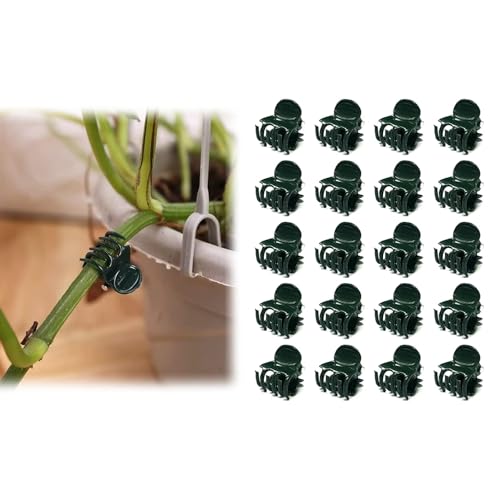
To train climbing plants effectively, consider using soft ties or plant clips. These materials help secure the stems without causing damage. In 2026, gardeners are advised to be gentle during this process, as excessive force can hinder growth. Additionally, rotating the plant around its support structure encourages even growth and maximizes exposure to sunlight.
Seasonal Care Strategies
As seasons change, so do the care requirements for climbing plants. In 2026, seasonal care strategies are essential for ensuring these plants remain healthy year round. During the growing season, focus on fertilization and pest management. Use organic fertilizers that promote healthy growth while being environmentally friendly.
As autumn approaches, consider protecting your climbing plants from harsh winter conditions. Some plants may require additional insulation, such as burlap wraps or mulch around their base. In regions with extreme winters, consider bringing container-grown climbing plants indoors or providing adequate shelter.
Pest and Disease Management
Monitoring for pests and diseases is crucial throughout the year. In 2026, integrated pest management is a recommended approach. Regularly inspecting your plants for signs of trouble will help you address issues early. Common pests affecting climbing plants include aphids, spider mites, and whiteflies. Employing natural predators, such as ladybugs, can help control these pests without harmful chemicals.
Conclusion
Maintaining climbing plants year round in 2026 takes a proactive approach. By understanding their specific needs, implementing effective watering techniques, and utilizing proper pruning methods, you can ensure your climbing plants thrive. Adapting to seasonal changes and practicing pest management will further contribute to the health and beauty of your climbing plants.
As you embark on your gardening journey this 2026, keep these essential tips in mind. Your climbing plants will not only flourish but also enhance the aesthetic appeal of your outdoor spaces.